

01
Physical Ergonomics
Biomechanics, manual handling, task analysis, workplace design and musculoskeletal risk.
Explore practice ↗Human Factors & Ergonomics Consultancy
We help organisations reduce human-system risk, strengthen performance and design better workplaces, technologies and ways of working — across physical, cognitive, psychosocial and digital Human Factors & Ergonomics.
Where we add value
Full-spectrum HFE
The issues that affect people at work rarely sit in one discipline. We bring together physical, cognitive, organisational and digital HFE to understand the interactions that shape safety, usability, wellbeing and performance.
Biomechanics, manual handling, task analysis, workplace design and musculoskeletal risk.
Explore practice ↗
Workload, attention, information, decision-making, fatigue, alarms and human reliability.
Explore practice ↗
Work design, psychosocial hazards, fatigue, teamwork, roles, change and sustainable performance.
Explore practice ↗HFE design, UX/UI, usability, automation, human-AI interaction and system validation.
Explore practice ↗Selected work
We support organisations where human performance matters to the outcome — from redesigning demanding work to improving operator interfaces, introducing new technology and strengthening organisation-wide ergonomics programmes.
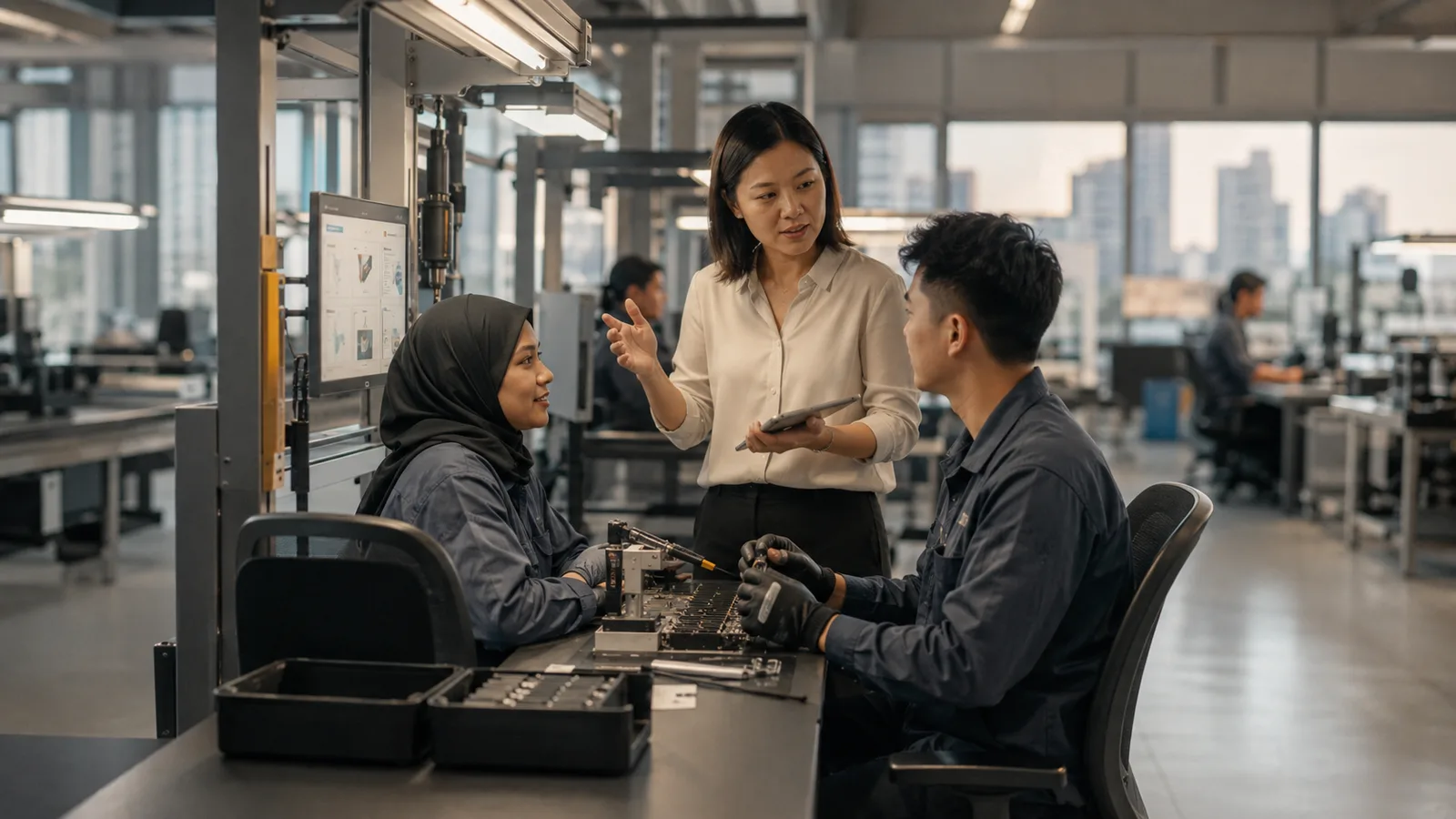
Observation, task decomposition and ergonomic analysis used to identify where workstation geometry, reach, work sequence and tools were creating avoidable physical demand.
Prioritised redesign options • implementation roadmap • validation criteria
Our Human Work System
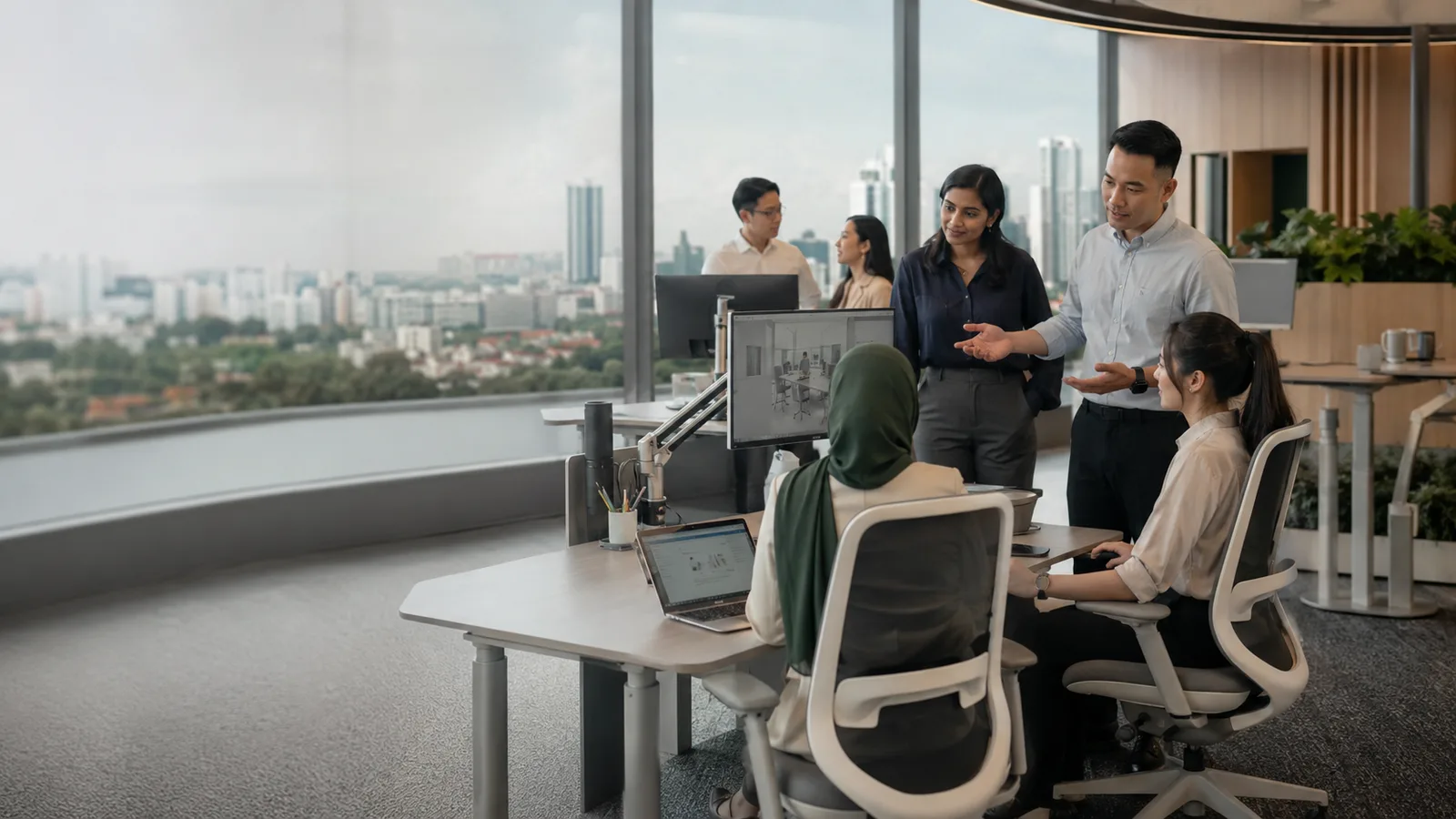
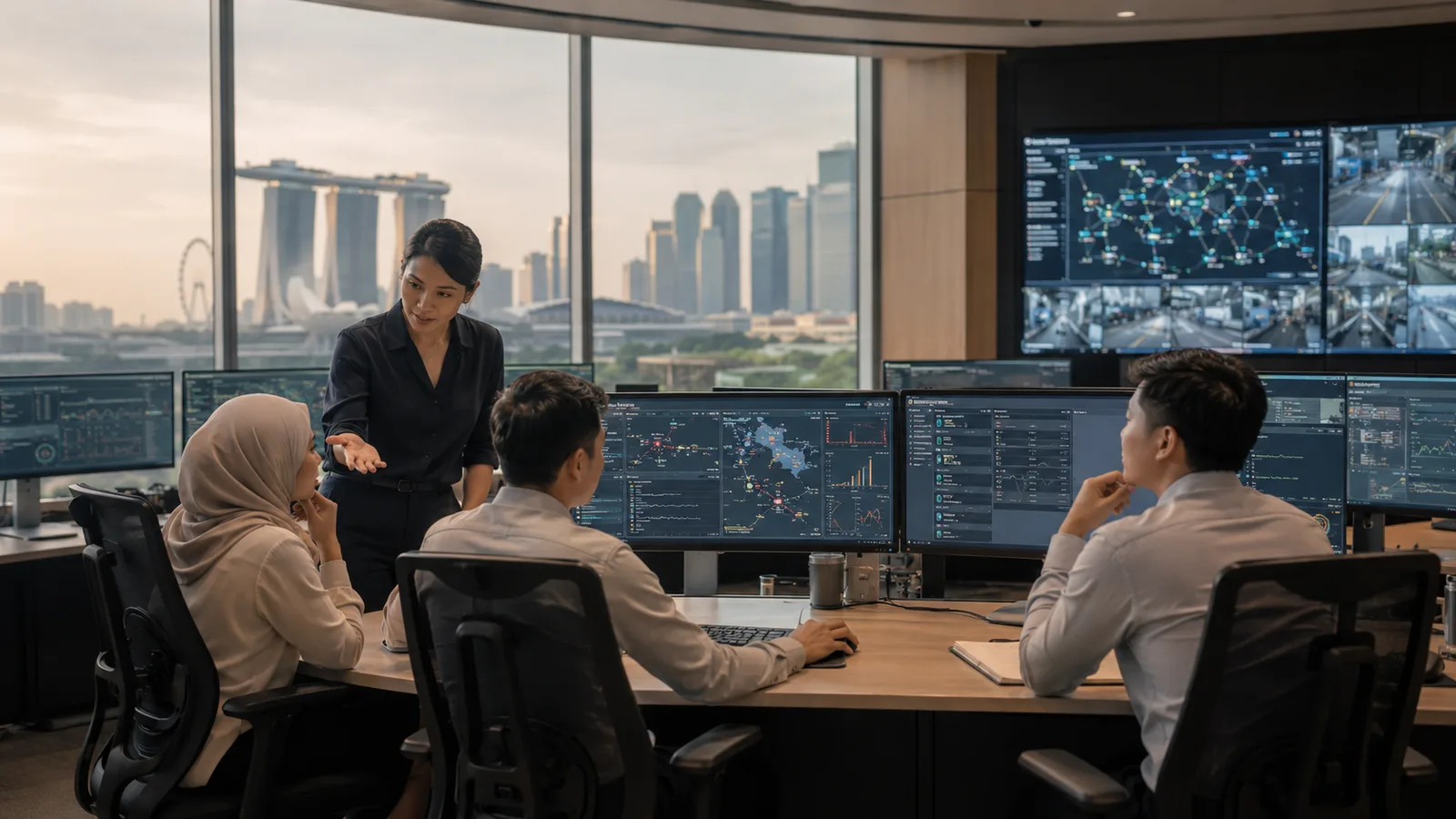
Human performance is shaped by more than the individual. Our framework examines five connected elements — people, task, technology, organisation and environment — to reveal where design decisions can create safer, clearer and more sustainable work.
See our approach ↗Capability, diversity, experience, needs, limitations, motivation and wellbeing.
Senior HFE consultancy
We observe the actual task, constraints, variation and workarounds — not only the written procedure.
Assessment is useful only when it leads to better tools, tasks, interfaces, environments or organisational choices.
HFE issues often cross ergonomics, occupational health, engineering, safety, HR, operations and design.
Recommendations are shaped around the workforce, technology, standards, constraints and implementation realities of each organisation.
Context matters
Human Factors & Ergonomics only works when it fits the environment in which people actually work. Our home base gives us deep familiarity with Singapore workplace expectations, while every engagement is shaped around the regulatory, cultural, operational and workforce context of the client and project location.
Senior practitioners
Complex HFE work benefits from experienced practitioners who can move between the worksite, the evidence and the boardroom. Our senior team stays close to the engagement and focused on recommendations that can actually be implemented.
Meet the practice ↗Supported by an interdisciplinary practice spanning ergonomics, occupational hygiene, workplace safety and professional training.
HFE perspectives
Why role clarity, workload, control, support and organisational change belong inside an HFE conversation.
Human-AIAutomation can reduce demand while introducing new forms of monitoring, reliance, cognitive load and accountability.
ErgonomicsThe value of an assessment is the quality of the redesign decisions it supports.
Work with Ergonomics.sg
Whether you are reducing risk, redesigning work, introducing technology or investigating performance concerns, we provide senior HFE support from assessment through implementation.
Discuss your project ↗